Hull Number: SS-192
Last Captain: LT Oliver Naquin
Date Lost: 23 May 1939
Location: Off Kittery, Maine
Fatalities: Fatalities: 26. This total included two civilian technicians. 33 men were rescued.
Cause: Foundered
Construction
Squalus was a Sargo class submarine completed in March of 1939 by the Portsmouth Naval Shipyard in Kittery, Maine.
Loss Narrative
Squalus was still in post-construction trials and was conducting a high-speed dive. The dive appeared to be going normally. The “Christmas tree” was all green, indicating that the critical openings and valves were shut. An overpressure in the boat held. Suddenly, Captain Naquin felt an increased pressure and he soon received the report of flooding in the engine rooms.
The captain ordered all watertight doors closed. Five men were able to scramble from the after battery compartment into the control room before that watertight door was secured. 17 others tried in vain to seal themselves in the after torpedo room. Nine others drowned in the engine rooms and after battery. The survivors were able to confirm that all four spaces aft of the control room had been flooded.
The next danger appeared in the form of the forward battery. It was draining rapidly and was in danger of exploding. One of the electricians crawled into the battery space, in the dark, and pulled the disconnect links. He saved the submarine but likely at the cost of permanent damage to his vision. The submarine was now cold, dark and on the bottom in 240 feet of water.
The captain divided the survivors into two groups. One was in the warmer control room and the other in the forward torpedo room. Momsen lungs were issued in case the crew would have to make free ascents to the surface. However, the captain was confident that someone would be searching for them.
When the officials in Portsmouth realized the Squalus was overdue, they quickly sent USS Sculpin (SS-191) to search for her sister. Sculpin had been built before Squalus and had just finished trials. Sculpin headed for the last reported location of the Squalus. Unfortunately, the coordinates had been transcribed incorrectly. However, Squalus had been sending up red signal flares and Sculpin saw the smoke. Sculpin was able to locate the buoy Squalus had released. The two boats had just begun to communicate by phone when the cable snapped. However, Sculpin had located Squalus and knew that some men inside were alive.
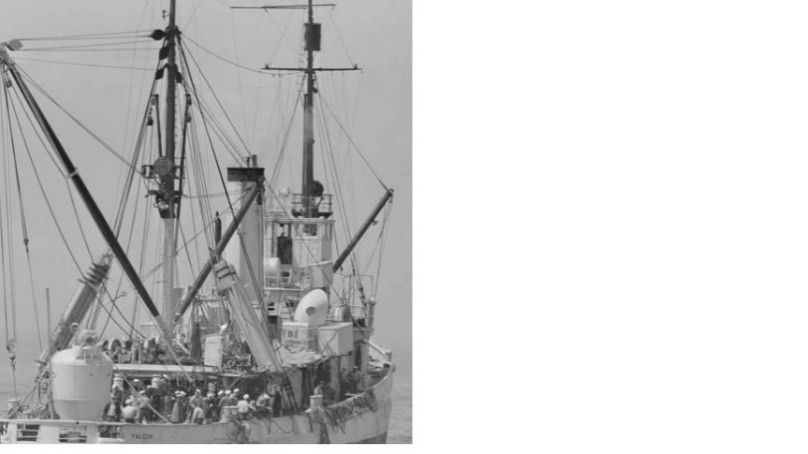
The submarine rescue vessel USS Falcon (ASR-2) had been dispatched from New London, CT with a McCann rescue bell on board. Also aboard were the inventers, LCDR Swede Momsen and CDR Allan McCann, since the bell had only been used in training. The Falcon arrived at the site at 04:30 the next morning and was moored over the Squalus by 08:00. A diver in a hard hat suit reached the Squalus within the next hour and attached a downhaul cable to the forward torpedo room escape hatch.
It then took four trips with the diving bell to bring up the 33 survivors. On the last trip up, the downhaul cable frayed and jammed the winch. They lightened the rescue bell by adding air to it and pulled the cable up by hand. The 33 men who survived the sinking were now safe, 40 hours after the boat had sunk.
It took almost four months to salvage the Squalus. The boat was towed back to port on 13 September 1939. Then she was overhauled at Portsmouth, renamed the USS Sailfish (SS-192) and recommissioned. The Sailfish would complete 12 war patrols before becoming a training boat in New London at the end of January, 1945. She was credited with seven enemy vessels sunk for 45,000 tons.
One of the ships in that total was the IJN carrier Chuyo. Unfortunately, at the time Chuyo was sunk, she was carrying 22 of the survivors from the Sculpin sinking and only one of them survived.
Sailfish’s conning tower is a memorial at the Portsmouth Naval Shipyard.
Although many of the surviving crew would return to submarines, LT Naquin would not. After the sinking of the Squalus, he was assigned to the battleship USS California (BB-44) where he survived the attack on Pearl Harbor. He was then assigned to the heavy cruiser USS New Orleans (CA-32) where he earned a Bronze Star in the Battle of Tassafaronga for guiding the badly damaged ship to safety at Tulagi harbor and saving it. He retired from the Navy as a rear admiral in 1955.
The captain ordered all watertight doors closed. Five men were able to scramble from the after battery compartment into the control room before that watertight door was secured. 17 others tried in vain to seal themselves in the after torpedo room. Nine others drowned in the engine rooms and after battery. The survivors were able to confirm that all four spaces aft of the control room had been flooded.
The next danger appeared in the form of the forward battery. It was draining rapidly and was in danger of exploding. One of the electricians crawled into the battery space, in the dark, and pulled the disconnect links. He saved the submarine but likely at the cost of permanent damage to his vision. The submarine was now cold, dark and on the bottom in 240 feet of water.
The captain divided the survivors into two groups. One was in the warmer control room and the other in the forward torpedo room. Momsen lungs were issued in case the crew would have to make free ascents to the surface. However, the captain was confident that someone would be searching for them.
When the officials in Portsmouth realized the Squalus was overdue, they quickly sent USS Sculpin (SS-191) to search for her sister. Sculpin had been built before Squalus and had just finished trials. Sculpin headed for the last reported location of the Squalus. Unfortunately, the coordinates had been transcribed incorrectly. However, Squalus had been sending up red signal flares and Sculpin saw the smoke. Sculpin was able to locate the buoy Squalus had released. The two boats had just begun to communicate by phone when the cable snapped. However, Sculpin had located Squalus and knew that some men inside were alive.
The submarine rescue vessel USS Falcon (ASR-2) had been dispatched from New London, CT with a McCann rescue bell on board. Also aboard were the inventers, LCDR Swede Momsen and CDR Allan McCann, since the bell had only been used in training. The Falcon arrived at the site at 04:30 the next morning and was moored over the Squalus by 08:00. A diver in a hard hat suit reached the Squalus within the next hour and attached a downhaul cable to the forward torpedo room escape hatch.
It then took four trips with the diving bell to bring up the 33 survivors. On the last trip up, the downhaul cable frayed and jammed the winch. They lightened the rescue bell by adding air to it and pulled the cable up by hand. The 33 men who survived the sinking were now safe, 40 hours after the boat had sunk.
It took almost four months to salvage the Squalus. The boat was towed back to port on 13 September 1939. Then she was overhauled at Portsmouth, renamed the USS Sailfish (SS-192) and recommissioned. The Sailfish would complete 12 war patrols before becoming a training boat in New London at the end of January, 1945. She was credited with seven enemy vessels sunk for 45,000 tons.
One of the ships in that total was the IJN carrier Chuyo. Unfortunately, at the time Chuyo was sunk, she was carrying 22 of the survivors from the Sculpin sinking and only one of them survived.
Sailfish’s conning tower is a memorial at the Portsmouth Naval Shipyard.
Although many of the surviving crew would return to submarines, LT Naquin would not. After the sinking of the Squalus, he was assigned to the battleship USS California (BB-44) where he survived the attack on Pearl Harbor. He was then assigned to the heavy cruiser USS New Orleans (CA-32) where he earned a Bronze Star in the Battle of Tassafaronga for guiding the badly damaged ship to safety at Tulagi harbor and saving it. He retired from the Navy as a rear admiral in 1955.
Submarine Photo

Captain Photo
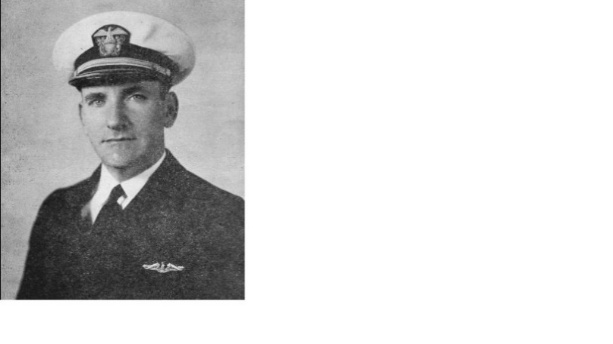
LT Oliver Naquin