Hull Number: SS-176
Last Captain: LCDR David A. Hurt
Date Lost: 3 March 1942
Location: Makassar Strait
Fatalities: Fatalities: 6. The crew of 59 survived the scuttling but five or six crewmen died in captivity.
Cause: Scuttled
Construction
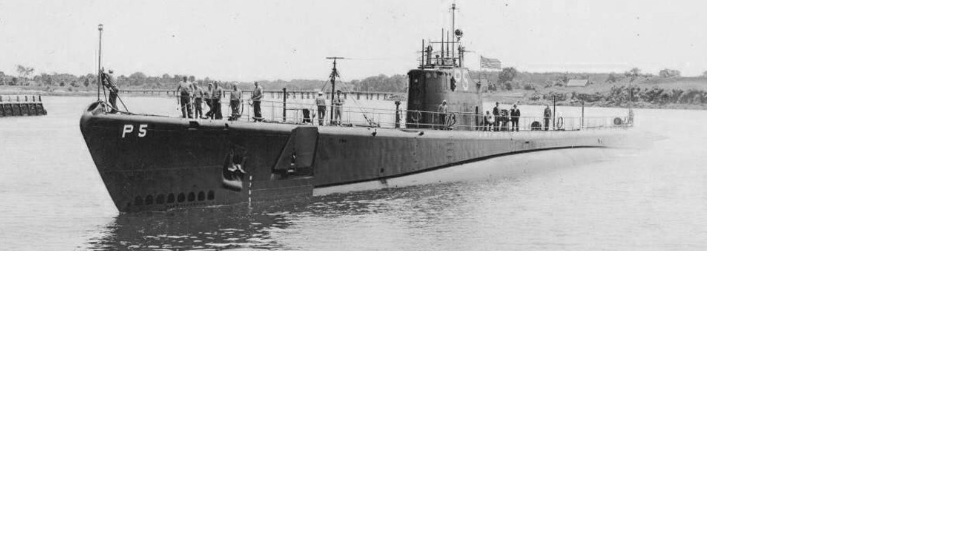
Perch was a Porpoise class submarine completed in November of 1936 by the Electric Boat Company in Groton, CT.
Loss Narrative
On her second patrol, on 25 February 1942, Perch made a night surface attack on a small convoy. However, the enemy’s fire was accurate and Perch herself was damaged. On 1 March, Perch was spotted by a pair of Japanese destroyers. The submarine dove and was another victim of poor charts. She buried her bow in the mud at just 140 feet, was subjected to a heavy depth charging and suffered severe damage. The destroyers became convinced that Perch was sunk. Early the next morning, after repairs were made, Perch surfaced and was again spotted. She dove and again hit the bottom, this time at 200 feet. Another severe depth charging and more damage followed until the destroyers were again convinced that Perch was sunk.
After more repairs, Perch surfaced and headed towards the nearest friendly port. However, she could only make five knots speed on one engine and was still leaking badly. The captain was feeling very vulnerable and tried another dive. However, so much water poured in that there was danger of sinking. While repairs were being attempted, she was spotted again. At this point the captain decided there was just one way to save his men. He ordered the crew to abandon the ship and had the boat scuttled.
Although the entire crew was rescued, sources differ as to the number of the crew that died in captivity. “The Last Patrol” and “U. S. Submarine Losses, World War II” both indicate nine men died in captivity. The “history.navy.mil.com” website identifies three of those nine sailors, who were thought to have died, as having been liberated separately at the end of the war. “Wikipedia” indicates that five of the crew died of malnutrition in captivity but does not explain the difference.
In any case, the crew was treated badly. They were first taken to the infamous Ofuna interrogation camp. This was an illegal interrogation camp where most submariners and pilots began their internment. The Japanese normally did not notify the U. S. of prisoners in Ofuna until they were transferred to other camps. Even though the men from Perch were later transferred to work in the Ashio mines, most of them were not reported to the U. S. as captured until the end of the war.
After more repairs, Perch surfaced and headed towards the nearest friendly port. However, she could only make five knots speed on one engine and was still leaking badly. The captain was feeling very vulnerable and tried another dive. However, so much water poured in that there was danger of sinking. While repairs were being attempted, she was spotted again. At this point the captain decided there was just one way to save his men. He ordered the crew to abandon the ship and had the boat scuttled.
Although the entire crew was rescued, sources differ as to the number of the crew that died in captivity. “The Last Patrol” and “U. S. Submarine Losses, World War II” both indicate nine men died in captivity. The “history.navy.mil.com” website identifies three of those nine sailors, who were thought to have died, as having been liberated separately at the end of the war. “Wikipedia” indicates that five of the crew died of malnutrition in captivity but does not explain the difference.
In any case, the crew was treated badly. They were first taken to the infamous Ofuna interrogation camp. This was an illegal interrogation camp where most submariners and pilots began their internment. The Japanese normally did not notify the U. S. of prisoners in Ofuna until they were transferred to other camps. Even though the men from Perch were later transferred to work in the Ashio mines, most of them were not reported to the U. S. as captured until the end of the war.
Prior History
After commissioning and shakedown trial, Perch was assigned to the U S. Pacific Fleet. She participated in fleet exercises and did some survey work in the Aleutian Islands. In October of 1939, She was transferred to the Philippines. In 1940 she made a summer cruise to China. She spent 1941 around the Philippines. A week before the attack on Pearl Harbor, Perch had escorted two transports carrying the 4th Marine regiment from China to the Philippines.
Perch was in the Cavite Navy Yard when the war broke out. She departed on the night of 8 December (the same day as the attack on Pearl Harbor due to the International Date Line) for her first war patrol. During this patrol, she fired torpedoes at a large freighter, but missed. Later in the patrol she fired torpedoes at another freighter and two hit the target. Although the maru was never heard from again, Perch did not get credit for the sinking.
Perch was lost on her second war patrol. JANAC did not credit her with any sinkings.
Perch was in the Cavite Navy Yard when the war broke out. She departed on the night of 8 December (the same day as the attack on Pearl Harbor due to the International Date Line) for her first war patrol. During this patrol, she fired torpedoes at a large freighter, but missed. Later in the patrol she fired torpedoes at another freighter and two hit the target. Although the maru was never heard from again, Perch did not get credit for the sinking.
Perch was lost on her second war patrol. JANAC did not credit her with any sinkings.
Submarine Photo
Captain Photo
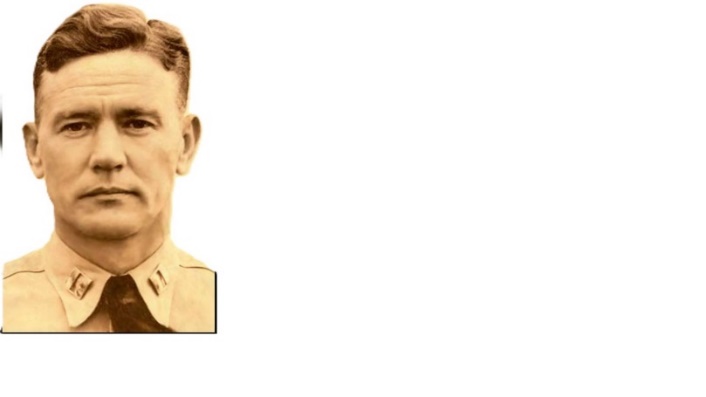
LCDR David A. Hurt