Hull Number: SS-257
Last Captain: CDR Sam Dealey
Date Lost: 24 August 1944
Location: Off the Philippine Island of Luzon
Fatalities: 79
Cause: ASW forces
Construction
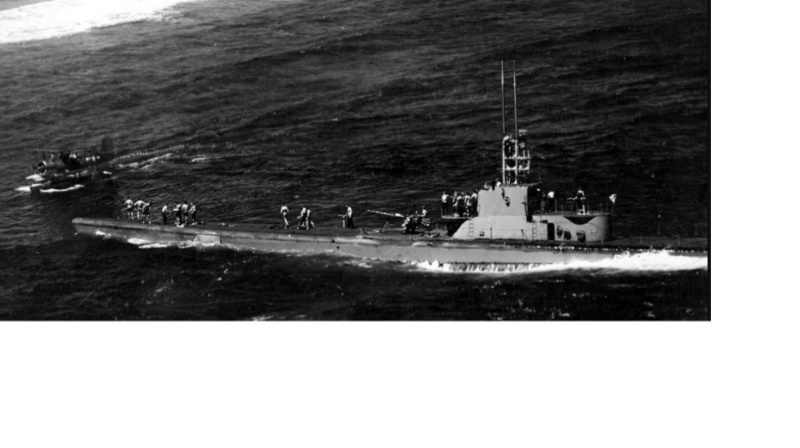
Harder was a Gato class submarine completed by the Electric Boat Company at Groton, CT in December of 1942.
Loss Narrative
Harder departed Fremantle , Australia on 5 August 1944 for her sixth war patrol. She was part of a wolfpack with the USS Haddo (SS-255) and the USS Hake (SS-256). On 21 August, the wolfpack, plus three other boats, attacked a convoy. They sank five freighters for a total of over 32,000 tons, although Harder was not credited with any of the sinkings. The next day, Harder did sink two escort ships.
On 23 August, Haddo damaged a Japanese destroyer which later sank while under tow. The remaining escorts then searched the area in an effort to protect a tanker. The search found the Harder and on 24 August she was sunk by depth charges from an escort.
On 23 August, Haddo damaged a Japanese destroyer which later sank while under tow. The remaining escorts then searched the area in an effort to protect a tanker. The search found the Harder and on 24 August she was sunk by depth charges from an escort.
Prior History
After her shakedown cruise, Harder headed for Pearl Harbor via the Panama Canal. While crossing the Caribbean on 2 May 1943, she sighted a U. S. Navy PBY flying boat. Harder flashed recognition signals for that day and was rewarded with machine gun fire. As the boat did a crash dive, the PBY dropped two bombs. One was close enough to shake the submarine but she was able to continue her voyage. CDR Dealey wrote in his log “The aviator’s poor approach was exceeded only by his poor marksmanship … but whose side are these crazy aviators on?”(Quoted in “Silent Victory”, page 444.)
Harder had a very good record starting with her first patrol, also under the command of CDR Dealey. She left Pearl Harbor on 7 June 1943 for a patrol off the island of Honshu, Japan. On 21 June Harder made its first attack, firing four torpedoes at two ships. One prematured and Dealy believed the others hit. An escort attacked Harder and the boat went deep. However, it went too deep to escape the depth charges and buried her nose in the mud bottom at 300 feet. The joke about being first to land on Japanese soil wasn’t so funny when it took 45 minutes to break free of the mud.
On 23 June, Harder detected a large ship on radar. She fired four torpedoes at the enemy vessel. Only one appeared to hit the former seaplane-tender Sagara Maru, but it was a mortal blow. In all, Harder made seven attacks on three convoys during this first patrol and believed they sank three ships and damaged four others. However, JANAC credited only the Sagara Maru. This patrol ended on 7 July at Midway with one of the H.O.R. engines “completely broken down”. (“Silent Victory”)
Her second patrol began on 24 August 1943 when she departed Pearl Harbor, refueled at Midway and then headed for the Japanese coast. On this patrol she sank four cargo ships plus a tanker. After she used up all her torpedoes, she damaged two armed trawlers with her guns. During this patrol, beginning after attacking two ships on 13 September, Harder underwent a depth charging over the course of two days before she could get away.
Harder began her third patrol on 30 October 1943 as part of a wolfpack. Communications between the boats left much to be desired. The captain of the USS Pargo (SS-264) was taking aim at a freighter only to watch it blow up before he could fire. Harder had fired first but she somehow did not get credit. However, in a later series of attacks, she did get credit for sinking three freighters. The patrol ended on 30 November at Pearl Harbor. She was then sent to Mare Island Naval Shipyard to have her H.O.R. diesel engines replaced. (The H.O.R engines never were satisfactory in our subs.) She did not return to Pearl Harbor until 27 February 1944.
Her fourth patrol began on 16 March 1944 proceeding with USS Seahorse (SS-304) to the Caroline Islands for lifeguard duty for downed pilots. On 1 April, Harder rescued an aviator who had been forced into trees by the Japanese. Dealey put the nose of the Harder on a reef and held it there while three crew members used a rubber boat to extract the pilot. A floatplane tried to help but only complicated things. Fortunately, the Navy aircraft providing cover were more effective.
On 13 April, a Japanese destroyer was vectored to Harder’s position and attacked. Harder sank the destroyer. This is how Harder began to earn her reputation as a destroyer killer. Four days later, she sank a freighter and damaged an escort. The patrol ended at Fremantle, Australia.
Her fifth patrol began on 26 May 1944 in the area around Tawi Tawi. On 6 June, Harder chased a convoy of tankers on the surface and one of the escorts turned to attack. Dealey held position and fired three torpedoes to sink the destroyer. The next day he spotted another destroyer hunting for Harder and sank it. During the night of 8-9 June, Dealey evacuated six coast watchers from British North Borneo.
The next day, Harder fired four torpedoes at overlapping destroyers. One was sunk but the other was not credited by JANAC. On the 10th, Harder found a task force that included two of Japan’s super battleships. She was detected during the approach and a destroyer attacked. Explosions were heard but Harder did not get credit. She did send a contact report but no other submarine was in position to attack.
Harder was then out of torpedoes and headed for Darwin to replenish. She then went right back out again, but found no other targets. The patrol ended in Darwin on 3 July 1944.
Harder was lost on her sixth war patrol. JANAC credited her with 16 sinkings for 54,002 tons total for her WW2 service.
CDR Dealey was awarded the Medal of Honor posthumously.
Harder was awarded a Presidential Unit Citation for patrols 1, 2, 3, 4 and 5.
Harder had a very good record starting with her first patrol, also under the command of CDR Dealey. She left Pearl Harbor on 7 June 1943 for a patrol off the island of Honshu, Japan. On 21 June Harder made its first attack, firing four torpedoes at two ships. One prematured and Dealy believed the others hit. An escort attacked Harder and the boat went deep. However, it went too deep to escape the depth charges and buried her nose in the mud bottom at 300 feet. The joke about being first to land on Japanese soil wasn’t so funny when it took 45 minutes to break free of the mud.
On 23 June, Harder detected a large ship on radar. She fired four torpedoes at the enemy vessel. Only one appeared to hit the former seaplane-tender Sagara Maru, but it was a mortal blow. In all, Harder made seven attacks on three convoys during this first patrol and believed they sank three ships and damaged four others. However, JANAC credited only the Sagara Maru. This patrol ended on 7 July at Midway with one of the H.O.R. engines “completely broken down”. (“Silent Victory”)
Her second patrol began on 24 August 1943 when she departed Pearl Harbor, refueled at Midway and then headed for the Japanese coast. On this patrol she sank four cargo ships plus a tanker. After she used up all her torpedoes, she damaged two armed trawlers with her guns. During this patrol, beginning after attacking two ships on 13 September, Harder underwent a depth charging over the course of two days before she could get away.
Harder began her third patrol on 30 October 1943 as part of a wolfpack. Communications between the boats left much to be desired. The captain of the USS Pargo (SS-264) was taking aim at a freighter only to watch it blow up before he could fire. Harder had fired first but she somehow did not get credit. However, in a later series of attacks, she did get credit for sinking three freighters. The patrol ended on 30 November at Pearl Harbor. She was then sent to Mare Island Naval Shipyard to have her H.O.R. diesel engines replaced. (The H.O.R engines never were satisfactory in our subs.) She did not return to Pearl Harbor until 27 February 1944.
Her fourth patrol began on 16 March 1944 proceeding with USS Seahorse (SS-304) to the Caroline Islands for lifeguard duty for downed pilots. On 1 April, Harder rescued an aviator who had been forced into trees by the Japanese. Dealey put the nose of the Harder on a reef and held it there while three crew members used a rubber boat to extract the pilot. A floatplane tried to help but only complicated things. Fortunately, the Navy aircraft providing cover were more effective.
On 13 April, a Japanese destroyer was vectored to Harder’s position and attacked. Harder sank the destroyer. This is how Harder began to earn her reputation as a destroyer killer. Four days later, she sank a freighter and damaged an escort. The patrol ended at Fremantle, Australia.
Her fifth patrol began on 26 May 1944 in the area around Tawi Tawi. On 6 June, Harder chased a convoy of tankers on the surface and one of the escorts turned to attack. Dealey held position and fired three torpedoes to sink the destroyer. The next day he spotted another destroyer hunting for Harder and sank it. During the night of 8-9 June, Dealey evacuated six coast watchers from British North Borneo.
The next day, Harder fired four torpedoes at overlapping destroyers. One was sunk but the other was not credited by JANAC. On the 10th, Harder found a task force that included two of Japan’s super battleships. She was detected during the approach and a destroyer attacked. Explosions were heard but Harder did not get credit. She did send a contact report but no other submarine was in position to attack.
Harder was then out of torpedoes and headed for Darwin to replenish. She then went right back out again, but found no other targets. The patrol ended in Darwin on 3 July 1944.
Harder was lost on her sixth war patrol. JANAC credited her with 16 sinkings for 54,002 tons total for her WW2 service.
CDR Dealey was awarded the Medal of Honor posthumously.
Harder was awarded a Presidential Unit Citation for patrols 1, 2, 3, 4 and 5.
Submarine Photo
Captain Photo
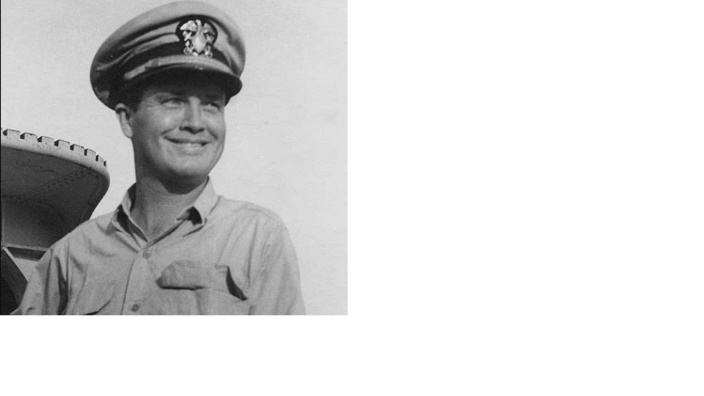
CDR Sam Dealey