Hull Number: SS-277
Last Captain: CDR John Hollingsworth
Date Lost: 11 November 1944
Location: Off Tokyo Bay
Fatalities: 83
Cause: ASW depth charges
Construction
Scamp was a Gato class submarine completed by the Portsmouth Naval Shipyard at Kittery, Maine in September of 1942.
Loss Narrative
Scamp began her eighth patrol from Pearl Harbor on 16 October 1944 headed for the area around the Bonin Islands. On 9 November, she acknowledged a message changing her patrol area and indicated the fuel and torpedoes she had remaining. She was never heard from again. After the war, it was determined that Scamp was sighted by Japanese planes south of Tokyo Bay on 11 November. She was then attacked by IJN CD-4, a coastal defense vessel which dropped a total of about 70 depth charges until it was apparent Scamp was sunk.
Prior History
Scamp left Pearl Harbor for her first war patrol on 1 March 1943. She left Midway on 5 March, headed for the area off the island of Honshu. On her first attack, on 16 March, the magnetic detonators caused so much trouble that the captain ordered them turned off, using the contact exploder instead. This seemed to improve things and Scamp was able to damage two freighters before ending the patrol at Pearl Harbor on 7 April 1943.
Her second patrol began on 19 April, headed for the Bismarck Archipelago. Late on 28 May, she damaged a converted seaplane tender. However, the captain wasn’t going to let the large target get away, and sank it the next day with two more torpedoes. This patrol ended with no further action. Scamp put in at Brisbane, Australia on 4 June 1943.
Her third patrol was off the Solomon Islands beginning on 22 June 1943. No potential targets were seen until 27 July, when Scamp spotted a convoy. She fired six torpedoes at a large tanker, with two hits damaging the almost new ship. The tanker survived, but only until 6 October when it was sunk by two other submarines. On the afternoon of 27 October, Scamp sighted a Japanese submarine which had fired a torpedo in her direction. Scamp evaded by going deep. Upon returning to periscope depth, Scamp fired four torpedoes and blew up the IJN I-168. The I-168 was the submarine that sank the carrier USS Yorktown (CV-5) and the destroyer USS Hammann (DD-412) at the Battle of Midway. The patrol ended on 8 August at Brisbane.
Scamp began her fourth war patrol on 9 September 1943, again in the area of the Solomons. She damaged an escort vessel on 18 September. Scamp suffered minor damage herself from depth charges. She sank a cargo ship the next day. She later claimed another cargo ship, but this was not confirmed. This patrol ended at Brisbane on 1 October.
Her fifth patrol began on 22 October 1943 and was in the area of Truk. On 4 November, Scamp damaged a passenger-cargo vessel with a single torpedo. Scamp saw the damaged vessel being towed. However, it sank a few days later while under tow. Later, Scamp damaged a cruiser and put it out of service for a few months. Scamp suffered some damage due to a bomb from a Japanese float plane and ended the patrol at Brisbane on 26 November. Scamp began her sixth patrol from Brisbane on 16 December 1943. She sank a large tanker on this patrol. This patrol ended on 6 February 1944 with a much-needed refit at Milne Bay and a change of command.
The seventh patrol began on 3 March 1944 with orders to patrol shipping lanes between Mindanao, Palau and New Guinea. On 4 April, she damaged a small trawler with her guns. However, she was too vulnerable, due to jamming guns, to stay on the surface and sink the trawler. On 7 April, Scamp sighted six cruisers with escorts. Scamp was spotted before she could attack. A bomb from a float plane exploded close by resulting in severe damage. Her crew did a great job keeping the boat afloat. Scamp limped into Seeadler Harbor, Manus on 16 April for repairs that would allow her to sail to Pearl Harbor for an overhaul. She would be laid up for nearly six months before she was ready for her eighth patrol.
Scamp was lost on her eighth war patrol. JANAC credited her with five sinkings for 34,108 tons total for her WW2 service.
Her second patrol began on 19 April, headed for the Bismarck Archipelago. Late on 28 May, she damaged a converted seaplane tender. However, the captain wasn’t going to let the large target get away, and sank it the next day with two more torpedoes. This patrol ended with no further action. Scamp put in at Brisbane, Australia on 4 June 1943.
Her third patrol was off the Solomon Islands beginning on 22 June 1943. No potential targets were seen until 27 July, when Scamp spotted a convoy. She fired six torpedoes at a large tanker, with two hits damaging the almost new ship. The tanker survived, but only until 6 October when it was sunk by two other submarines. On the afternoon of 27 October, Scamp sighted a Japanese submarine which had fired a torpedo in her direction. Scamp evaded by going deep. Upon returning to periscope depth, Scamp fired four torpedoes and blew up the IJN I-168. The I-168 was the submarine that sank the carrier USS Yorktown (CV-5) and the destroyer USS Hammann (DD-412) at the Battle of Midway. The patrol ended on 8 August at Brisbane.
Scamp began her fourth war patrol on 9 September 1943, again in the area of the Solomons. She damaged an escort vessel on 18 September. Scamp suffered minor damage herself from depth charges. She sank a cargo ship the next day. She later claimed another cargo ship, but this was not confirmed. This patrol ended at Brisbane on 1 October.
Her fifth patrol began on 22 October 1943 and was in the area of Truk. On 4 November, Scamp damaged a passenger-cargo vessel with a single torpedo. Scamp saw the damaged vessel being towed. However, it sank a few days later while under tow. Later, Scamp damaged a cruiser and put it out of service for a few months. Scamp suffered some damage due to a bomb from a Japanese float plane and ended the patrol at Brisbane on 26 November. Scamp began her sixth patrol from Brisbane on 16 December 1943. She sank a large tanker on this patrol. This patrol ended on 6 February 1944 with a much-needed refit at Milne Bay and a change of command.
The seventh patrol began on 3 March 1944 with orders to patrol shipping lanes between Mindanao, Palau and New Guinea. On 4 April, she damaged a small trawler with her guns. However, she was too vulnerable, due to jamming guns, to stay on the surface and sink the trawler. On 7 April, Scamp sighted six cruisers with escorts. Scamp was spotted before she could attack. A bomb from a float plane exploded close by resulting in severe damage. Her crew did a great job keeping the boat afloat. Scamp limped into Seeadler Harbor, Manus on 16 April for repairs that would allow her to sail to Pearl Harbor for an overhaul. She would be laid up for nearly six months before she was ready for her eighth patrol.
Scamp was lost on her eighth war patrol. JANAC credited her with five sinkings for 34,108 tons total for her WW2 service.
Submarine Photo

Captain Photo
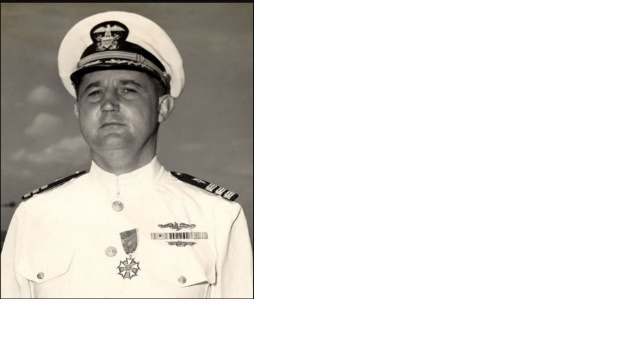
CDR John Hollingsworth