Hull Number: SS-237
Last Captain: CDR David Connole
Date Lost: 28 March 1945
Location: Southwest of Ibusaki in the Nansei Shoto
Fatalities: 89
Cause: Air and ASW forces
Construction
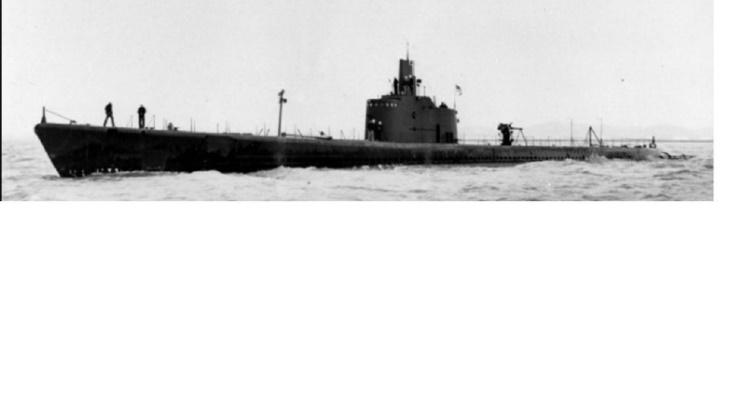
Trigger was a Gato class submarine completed by the Mare Island Naval Shipyard at Vallejo, CA in January of 1942.
Loss Narrative
Trigger left Guam on her twelfth patrol on 11 March 1945. Her assignment was in the Nansei Shoto. On 18 March, she sank a small cargo ship and damaged another. On 26 March, she transmitted a weather report. On 4 April. she was ordered back to Midway. Trigger never acknowledged this message and did not appear at Midway as expected.
Japanese records at the end of the war indicated that aircraft bombed a submarine in Trigger’s area and then called in surface vessels. After two hours of intensive depth charging, a large pool of oil appeared, and Trigger was gone. Japanese records also showed a repair ship had been sunk in the area the day before. Trigger was credited with that sinking.
Japanese records at the end of the war indicated that aircraft bombed a submarine in Trigger’s area and then called in surface vessels. After two hours of intensive depth charging, a large pool of oil appeared, and Trigger was gone. Japanese records also showed a repair ship had been sunk in the area the day before. Trigger was credited with that sinking.
Prior History
Trigger had an unfortunate start to her career. She sailed for Hawaii on 22 May 1942. She arrived at Pearl Harbor a week later and then sortied as part of the ring of submarines around Midway looking for the Japanese fleet prior to that battle. However, on 6 June, Trigger ran aground on a submerged reef. Her ballast tank was holed and the sonar heads were destroyed. She returned to Pearl Harbor on 9 June for repairs.
It was 26 June before Trigger was ready to sail on her first war patrol in the Aleutian Islands. Many targets were sighted but the submarine was always out of position and unable to attack. Trigger stopped at Dutch Harbor on 8 August, and then continued on to Pearl Harbor for a refit and a change of command.
Her second patrol began on 23 September 1942, from Hawaii. Her patrol area was the waters around Japan. On 5 October, Trigger spotted what was thought to be a small ship and planned to attack with guns on the surface. When the target began firing and turned to ram, Trigger put two torpedoes into it to try to stop it. It was stopped but not sunk. On 17 October, Trigger sank a transport. Later that day, she was spotted by a destroyer which attacked. Trigger fired three torpedoes in a “down the throat” shot which resulted in a huge explosion. When the smoke and spray cleared, the destroyer was still unharmed. The assumption was that the first torpedo was a premature, and that detonated those that followed. (This was yet another symptom of the extensive problems with our torpedoes.) Trigger then cleared the area. Later in the patrol, Trigger claimed damage to two more ships before the patrol ended on 8 November 1942 at Pearl Harbor.
Trigger’s third patrol, which began on 3 December, was a combination minelaying and offensive patrol off the coast of Japan. She had recently finished laying half her mines when a Japanese cargo ship, carrying aircraft, steamed through the new minefield and found one of them. Trigger got to see the rewards of her handiwork and was credited with the sinking. On 10 January, Trigger sank a destroyer. The patrol ended on 22 January 1943 at Pearl Harbor.
The fourth patrol began on 9 February 1943 and would be around the Palau Islands. On 15 March, she sank a medium transport and damaged another. That night, Trigger again experienced torpedo problems. She fired six torpedoes at a freighter under tow. Five missed the target and the sixth was a circular run. Trigger avoided the wayward torpedo by going deeper and listening as it passed over an engine room. Trigger was able to inflict significant damage on a gunboat before the patrol ended on 6 April 1943 in Hawaii.
Trigger headed out to Japanese waters for her fifth patrol on 30 April 1943. This patrol would also be plagued with torpedo problems. On 28 May, she damaged a small tanker. The next day, Trigger fired three torpedoes at a freighter. Two missed and one exploded prematurely. She quickly fired a fourth torpedo but it was a dud. On 1 June, she sank a small freighter. On 10 June, Trigger had the good fortune to be in position to attack the IJN Hiyo, a carrier. Trigger fired all six bow torpedo tubes at the carrier. As Trigger went deep, they heard four explosions and were confident that they had sunk the carrier. In actuality, one was a premature, one was a dud, two missed and two hit the carrier and exploded. The Hiyo did not sink, but was out of action until the end of September of 1943. It would eventually be sunk in June of 1944 by our carrier aircraft.
When Trigger returned to Pearl Harbor, ADM Lockwood was furious. He knew, from Ultra intercepts, that the Hiyo had not been sunk, but probably would have been had the torpedoes worked correctly. ADM Lockwood then requested and received permission to turn off the magnetic exploder because of this and other incidents.
Trigger’s sixth patrol was successful in spite of some continuing torpedo problems. It began on 1 September 1943 after an overhaul and a change of command. She was assigned to the East China Sea north of Formosa. On the 17 September, she fired two torpedoes at a freighter. Both hit but were duds. Trigger tracked the vessel and sank it the next day. On 21 September, she sighted a convoy of three tankers and three freighters. She sank two large tankers and a large cargo ship. She also damaged another large tanker and another cargo ship. In the midst of the attacks, while going deep, the captain slipped and fell into the periscope well. He supported himself on his elbows until the quartermaster heard his shouts and stopped lowering the periscope, preventing serious injury. The patrol ended at Midway on 30 September.
The seventh war patrol began on 22 October 1943 and Trigger was assigned to the East China and Yellow Seas. On 1 November, two transports were hit but escorts prevented confirming any sinkings and JANAC did not credit these attacks. However, on the following day Trigger did sink a large transport and a small cargo ship. On 5 November, she attacked a small convoy and was depth charged as a result. Thinking the enemy had all departed, Trigger came to periscope depth and was greeted by five aircraft bombs which were near misses. On 13 November, Trigger sighted a convoy and found herself between the two columns of ships. She had no more torpedoes in her forward tubes. She sank a medium transport with the after tubes. The subsequent counter-attack consisted of only five depth charges, but that was enough to damage a main motor and its reduction gear. Trigger remained on patrol and sank a small cargo ship before ending the patrol at Pearl Harbor on 8 December.
Trigger sailed for her eighth patrol on 1 January 1944. Her patrol area was in the shipping lanes between Truk and Guam. There were no contacts until 27 January when a Japanese RO class submarine was spotted. Apparently, both boats were surprised; neither could get into position; no torpedoes were fired; and they sailed away from each other. On 31 January, Trigger found a convoy and sank a large Japanese submarine depot ship. A small minelayer was claimed but was not confirmed. The patrol ended on 23 February 1944 in Hawaii.
Her ninth patrol began on 23 March 1944 under a new captain. Her patrol area would be in the Palau Islands. On 8 April, Trigger found herself in a huge convoy of about 20 vessels and 25 escorts. After firing four torpedoes, she was detected and forced to go deep. Six escorts would keep Trigger down for 17 hours. There was a great deal of damage. The temperature in the boat reached 135 degrees. At dusk, the escorts relaxed and Trigger was able to evade. The crew made repairs and they rendezvoused with USS Tang (SS-306) for parts for the air compressors. In the evening of 26 April, Trigger found a convoy of six ships. In the early hours of 27 April, Trigger attacked and claimed five freighters sunk and one damaged. JANAC credited Trigger with just one very large freighter sunk and another large cargo ship and an escort damaged. The patrol ended at Pearl Harbor on 20 May 1944. Four days later, Trigger was on her way to Mare Island Naval Shipyard for a complete overhaul.
Trigger’s tenth patrol began on 24 September 1944, assigned to lifeguard duty off the northern coast of Formosa. She rescued a pilot from a burning Hellcat. On 19 October, Trigger sighted a large Japanese task force of cruisers and destroyers but was too far away to attack. She could only report the sighting. On 30 October, she damaged a large tanker which was sunk soon after by USS Salmon (SS-182).. Trigger was the target of 79 depth charges but damage was minimal. Salmon was also depth charged but her damage was severe. She radioed for help. Trigger, the USS Silversides (SS-236) and the USS Sterlet (SS-392) responded. Those three boats escorted Salmon to Saipan. One week later, Trigger went back on patrol. However, on 17 November, she was ordered to end the patrol in Guam.
Salmon was so badly damaged that she did not return to combat. She was written off as a “constructive war loss”. She was patched up just enough to be used as a training boat.
Trigger began her eleventh patrol on 28 December 1944, proceeding to the area around Bungo Suido and Kii Suido. A submarine fired at Trigger on 3 January and Trigger cleared the area. On 19 January 1945, she sighted a large convoy, but it was too far away for an attack. This patrol ended at Guam on 3 February.
Trigger was lost on her twelfth war patrol. JANAC credited her with 18 sinkings for 86,552 tons total for her WW2 service.
Trigger was awarded Presidential Unit Citations for patrols 5, 6, 7 and 9.
It was 26 June before Trigger was ready to sail on her first war patrol in the Aleutian Islands. Many targets were sighted but the submarine was always out of position and unable to attack. Trigger stopped at Dutch Harbor on 8 August, and then continued on to Pearl Harbor for a refit and a change of command.
Her second patrol began on 23 September 1942, from Hawaii. Her patrol area was the waters around Japan. On 5 October, Trigger spotted what was thought to be a small ship and planned to attack with guns on the surface. When the target began firing and turned to ram, Trigger put two torpedoes into it to try to stop it. It was stopped but not sunk. On 17 October, Trigger sank a transport. Later that day, she was spotted by a destroyer which attacked. Trigger fired three torpedoes in a “down the throat” shot which resulted in a huge explosion. When the smoke and spray cleared, the destroyer was still unharmed. The assumption was that the first torpedo was a premature, and that detonated those that followed. (This was yet another symptom of the extensive problems with our torpedoes.) Trigger then cleared the area. Later in the patrol, Trigger claimed damage to two more ships before the patrol ended on 8 November 1942 at Pearl Harbor.
Trigger’s third patrol, which began on 3 December, was a combination minelaying and offensive patrol off the coast of Japan. She had recently finished laying half her mines when a Japanese cargo ship, carrying aircraft, steamed through the new minefield and found one of them. Trigger got to see the rewards of her handiwork and was credited with the sinking. On 10 January, Trigger sank a destroyer. The patrol ended on 22 January 1943 at Pearl Harbor.
The fourth patrol began on 9 February 1943 and would be around the Palau Islands. On 15 March, she sank a medium transport and damaged another. That night, Trigger again experienced torpedo problems. She fired six torpedoes at a freighter under tow. Five missed the target and the sixth was a circular run. Trigger avoided the wayward torpedo by going deeper and listening as it passed over an engine room. Trigger was able to inflict significant damage on a gunboat before the patrol ended on 6 April 1943 in Hawaii.
Trigger headed out to Japanese waters for her fifth patrol on 30 April 1943. This patrol would also be plagued with torpedo problems. On 28 May, she damaged a small tanker. The next day, Trigger fired three torpedoes at a freighter. Two missed and one exploded prematurely. She quickly fired a fourth torpedo but it was a dud. On 1 June, she sank a small freighter. On 10 June, Trigger had the good fortune to be in position to attack the IJN Hiyo, a carrier. Trigger fired all six bow torpedo tubes at the carrier. As Trigger went deep, they heard four explosions and were confident that they had sunk the carrier. In actuality, one was a premature, one was a dud, two missed and two hit the carrier and exploded. The Hiyo did not sink, but was out of action until the end of September of 1943. It would eventually be sunk in June of 1944 by our carrier aircraft.
When Trigger returned to Pearl Harbor, ADM Lockwood was furious. He knew, from Ultra intercepts, that the Hiyo had not been sunk, but probably would have been had the torpedoes worked correctly. ADM Lockwood then requested and received permission to turn off the magnetic exploder because of this and other incidents.
Trigger’s sixth patrol was successful in spite of some continuing torpedo problems. It began on 1 September 1943 after an overhaul and a change of command. She was assigned to the East China Sea north of Formosa. On the 17 September, she fired two torpedoes at a freighter. Both hit but were duds. Trigger tracked the vessel and sank it the next day. On 21 September, she sighted a convoy of three tankers and three freighters. She sank two large tankers and a large cargo ship. She also damaged another large tanker and another cargo ship. In the midst of the attacks, while going deep, the captain slipped and fell into the periscope well. He supported himself on his elbows until the quartermaster heard his shouts and stopped lowering the periscope, preventing serious injury. The patrol ended at Midway on 30 September.
The seventh war patrol began on 22 October 1943 and Trigger was assigned to the East China and Yellow Seas. On 1 November, two transports were hit but escorts prevented confirming any sinkings and JANAC did not credit these attacks. However, on the following day Trigger did sink a large transport and a small cargo ship. On 5 November, she attacked a small convoy and was depth charged as a result. Thinking the enemy had all departed, Trigger came to periscope depth and was greeted by five aircraft bombs which were near misses. On 13 November, Trigger sighted a convoy and found herself between the two columns of ships. She had no more torpedoes in her forward tubes. She sank a medium transport with the after tubes. The subsequent counter-attack consisted of only five depth charges, but that was enough to damage a main motor and its reduction gear. Trigger remained on patrol and sank a small cargo ship before ending the patrol at Pearl Harbor on 8 December.
Trigger sailed for her eighth patrol on 1 January 1944. Her patrol area was in the shipping lanes between Truk and Guam. There were no contacts until 27 January when a Japanese RO class submarine was spotted. Apparently, both boats were surprised; neither could get into position; no torpedoes were fired; and they sailed away from each other. On 31 January, Trigger found a convoy and sank a large Japanese submarine depot ship. A small minelayer was claimed but was not confirmed. The patrol ended on 23 February 1944 in Hawaii.
Her ninth patrol began on 23 March 1944 under a new captain. Her patrol area would be in the Palau Islands. On 8 April, Trigger found herself in a huge convoy of about 20 vessels and 25 escorts. After firing four torpedoes, she was detected and forced to go deep. Six escorts would keep Trigger down for 17 hours. There was a great deal of damage. The temperature in the boat reached 135 degrees. At dusk, the escorts relaxed and Trigger was able to evade. The crew made repairs and they rendezvoused with USS Tang (SS-306) for parts for the air compressors. In the evening of 26 April, Trigger found a convoy of six ships. In the early hours of 27 April, Trigger attacked and claimed five freighters sunk and one damaged. JANAC credited Trigger with just one very large freighter sunk and another large cargo ship and an escort damaged. The patrol ended at Pearl Harbor on 20 May 1944. Four days later, Trigger was on her way to Mare Island Naval Shipyard for a complete overhaul.
Trigger’s tenth patrol began on 24 September 1944, assigned to lifeguard duty off the northern coast of Formosa. She rescued a pilot from a burning Hellcat. On 19 October, Trigger sighted a large Japanese task force of cruisers and destroyers but was too far away to attack. She could only report the sighting. On 30 October, she damaged a large tanker which was sunk soon after by USS Salmon (SS-182).. Trigger was the target of 79 depth charges but damage was minimal. Salmon was also depth charged but her damage was severe. She radioed for help. Trigger, the USS Silversides (SS-236) and the USS Sterlet (SS-392) responded. Those three boats escorted Salmon to Saipan. One week later, Trigger went back on patrol. However, on 17 November, she was ordered to end the patrol in Guam.
Salmon was so badly damaged that she did not return to combat. She was written off as a “constructive war loss”. She was patched up just enough to be used as a training boat.
Trigger began her eleventh patrol on 28 December 1944, proceeding to the area around Bungo Suido and Kii Suido. A submarine fired at Trigger on 3 January and Trigger cleared the area. On 19 January 1945, she sighted a large convoy, but it was too far away for an attack. This patrol ended at Guam on 3 February.
Trigger was lost on her twelfth war patrol. JANAC credited her with 18 sinkings for 86,552 tons total for her WW2 service.
Trigger was awarded Presidential Unit Citations for patrols 5, 6, 7 and 9.
Submarine Photo
Captain Photo
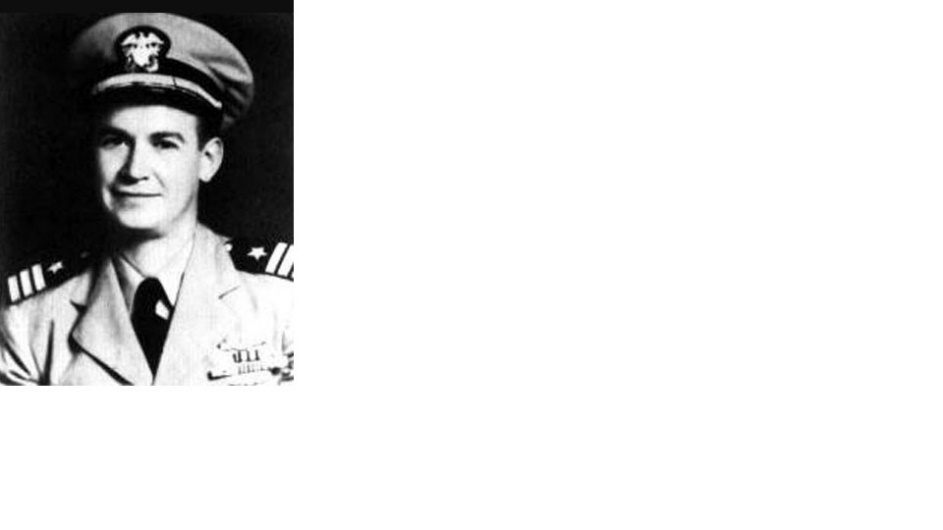
CDR David Connole