Hull Number: SS-218
Last Captain: LCDR Hugh Rimmer
Date Lost: 7 November 1944
Location: South of Hokkaido
Fatalities: 86
Cause: Likely a mine
Construction
Albacore was a Gato class submarine completed by the Electric Boat Company at Groton, CT in June of 1942.
Loss Narrative
Albacore left Pearl Harbor on 24 October 1944 for her eleventh war patrol. She departed Midway on 28 October headed for the northeast coast of Honshu and south of Hokkaido. She was never heard from again. After the war, we learned that, on 7 November, a Japanese patrol boat in that area witnessed an underwater explosion followed by debris and floating oil. This was assumed to be the loss of the Albacore.
Prior History
Albacore departed on her first war patrol from Pearl Harbor on 28 August 1942. She claimed damage to three ships. She also sighted a Japanese carrier escorted by a cruiser and a destroyer, but could not get into firing position. She was depth charged a few times for her trouble. The patrol ended at Midway on 20 October.
On her second patrol, beginning 11 November 1942, Albacore claimed to have sunk the 10,438-ton Gokoku Maru based on debris in the water. However, that ship survived and was later confirmed to have been sunk by the USS Barb (SS-220) in 1944. Albacore’s first confirmed sinking was a light cruiser on 18 December. This patrol ended in Brisbane, Australia.
Albacore’s third patrol began on 20 January 1943. She was patrolling in the Bismarck Archipelago. She sank one frigate and one destroyer. After a brief dry-docking for repairs and some refresher training, Albacore began her fourth patrol on 6 April 1943. She sighted many convoys but scored no hits. This patrol ended on 26 May in Brisbane. A new captain assumed command there.
Her fifth patrol began on 16 June 1943 and was in the area around the Bismarck and Solomon Islands. She sighted a few convoys but only recorded damage to one ship. Her sixth patrol, in generally the same area, began on 23 August 1943. On this patrol she found a two-ship convoy and sank an auxiliary gunboat. She pursued the other ship for two days but was only able to inflict minor damage. This patrol ended on 26 September, also at Brisbane.
Albacore began her seventh patrol on 12 October 1943. She received a report of a convoy that had been sighted by USS Steelhead (SS-280). Albacore found it on 8 November. However, she was bombed and strafed by a USAAF B-25 bomber aircraft. Fortunately, four bombs did little damage other than forcing Albacore to lose contact with the convoy. Two days later, she was attacked by another USAAF bomber, this time a B-24 and the damage was significant. It took two and one-half hours to regain depth control as the boat cycled between 30 and 450 feet. Eventually, the boat surfaced and then submerged under control to continue repairs. Albacore was able to remain on patrol and sank a medium sized freighter. She was then ordered to finish off a Japanese cruiser damaged by USS Scamp (SS-277). However, Albacore was detected and depth charged for four hours. On 25 November, Albacore sank a Japanese army transport before ending the patrol at Brisbane on 5 December.
She began her eighth patrol in the same general area on 26 December 1943. On this patrol she sank a small freighter, the small motor gunboat it was towing and a destroyer. Another destroyer attacked Albacore with a total of 59 depth charges. This depth charging allowed USS Scamp (SS-277) and USS Guardfish (SS-217) to pursue three tankers and sink two of them. A couple uneventful weeks later, Albacore ended the patrol and headed to Mare Island Naval Shipyard for a much-needed overhaul.
Albacore arrived at Pearl Harbor on 13 May and returned to action for her ninth patrol on 29 May 1944. This time, her patrol area was west of the Marianas. Two days after our landings on Saipan had begun, on 18 June, ADM Charles Lockwood ordered Albacore to move south 100 miles hoping to intercept the Japanese task force under Admiral Ozawa, reported to be steaming toward Saipan.
The next day, at about 08:00, Albacore found herself in the middle of the Japanese task force. As the captain selected the second carrier he saw as his target, the torpedo data computer began to act up. The captain decided to fire a spread of six torpedoes to compensate. The carrier was launching an air strike and one Japanese pilot flew his plane into one of Albacore’s torpedoes. Only one of the other torpedoes hit the IJN Taiho, a carrier. Although that torpedo caused some damage to the largest carrier in their fleet, the Japanese were not concerned and flight operations continued. Albacore received a depth charging as a result of the attack.
Taiho operated as normal and by 11:30 had launched two more raids. Meanwhile, damage control had been taken over by a junior officer. He decided that the best way to clear the gasoline fumes, resulting from the single torpedo hit, was to open up the ship to vent them. He did not understand that Taiho would become a time-bomb as a result. At about 3:30 that afternoon, Taiho suffered a huge explosion. The flight deck heaved up and the side blew out. A little while later, Taiho suffered a second large explosion and sank stern first. Albacore did not know at the time that they had sunk the carrier, albeit with the help of the Japanese damage control team.
Earlier that same day, the USS Cavalla (SS-244) had sunk the IJN Shokaku, a carrier. This was the second largest Japanese carrier. The U. S. victory by American pilots and submarines in the Battle of the Philippine Sea, known as the Marianas Turkey Shoot, cost the Japanese two of their largest carriers and many of their front-line carrier pilots.
Albacore’s tenth patrol was in September of 1944 in the area south of Shikoku, Japan. She sank a small freighter and a sub chaser.
Albacore was lost on her 11th war patrol. JANAC credited her with 10 sinkings for 49,861 tons total for her WW2 service. With the carrier, cruiser, destroyers and sub chasers to her credit, Albacore had sunk the highest tonnage of Japanese warships by any of our submarines.
Albacore received a Presidential Unit Citation for patrols 2, 3, 7 and 8.
On her second patrol, beginning 11 November 1942, Albacore claimed to have sunk the 10,438-ton Gokoku Maru based on debris in the water. However, that ship survived and was later confirmed to have been sunk by the USS Barb (SS-220) in 1944. Albacore’s first confirmed sinking was a light cruiser on 18 December. This patrol ended in Brisbane, Australia.
Albacore’s third patrol began on 20 January 1943. She was patrolling in the Bismarck Archipelago. She sank one frigate and one destroyer. After a brief dry-docking for repairs and some refresher training, Albacore began her fourth patrol on 6 April 1943. She sighted many convoys but scored no hits. This patrol ended on 26 May in Brisbane. A new captain assumed command there.
Her fifth patrol began on 16 June 1943 and was in the area around the Bismarck and Solomon Islands. She sighted a few convoys but only recorded damage to one ship. Her sixth patrol, in generally the same area, began on 23 August 1943. On this patrol she found a two-ship convoy and sank an auxiliary gunboat. She pursued the other ship for two days but was only able to inflict minor damage. This patrol ended on 26 September, also at Brisbane.
Albacore began her seventh patrol on 12 October 1943. She received a report of a convoy that had been sighted by USS Steelhead (SS-280). Albacore found it on 8 November. However, she was bombed and strafed by a USAAF B-25 bomber aircraft. Fortunately, four bombs did little damage other than forcing Albacore to lose contact with the convoy. Two days later, she was attacked by another USAAF bomber, this time a B-24 and the damage was significant. It took two and one-half hours to regain depth control as the boat cycled between 30 and 450 feet. Eventually, the boat surfaced and then submerged under control to continue repairs. Albacore was able to remain on patrol and sank a medium sized freighter. She was then ordered to finish off a Japanese cruiser damaged by USS Scamp (SS-277). However, Albacore was detected and depth charged for four hours. On 25 November, Albacore sank a Japanese army transport before ending the patrol at Brisbane on 5 December.
She began her eighth patrol in the same general area on 26 December 1943. On this patrol she sank a small freighter, the small motor gunboat it was towing and a destroyer. Another destroyer attacked Albacore with a total of 59 depth charges. This depth charging allowed USS Scamp (SS-277) and USS Guardfish (SS-217) to pursue three tankers and sink two of them. A couple uneventful weeks later, Albacore ended the patrol and headed to Mare Island Naval Shipyard for a much-needed overhaul.
Albacore arrived at Pearl Harbor on 13 May and returned to action for her ninth patrol on 29 May 1944. This time, her patrol area was west of the Marianas. Two days after our landings on Saipan had begun, on 18 June, ADM Charles Lockwood ordered Albacore to move south 100 miles hoping to intercept the Japanese task force under Admiral Ozawa, reported to be steaming toward Saipan.
The next day, at about 08:00, Albacore found herself in the middle of the Japanese task force. As the captain selected the second carrier he saw as his target, the torpedo data computer began to act up. The captain decided to fire a spread of six torpedoes to compensate. The carrier was launching an air strike and one Japanese pilot flew his plane into one of Albacore’s torpedoes. Only one of the other torpedoes hit the IJN Taiho, a carrier. Although that torpedo caused some damage to the largest carrier in their fleet, the Japanese were not concerned and flight operations continued. Albacore received a depth charging as a result of the attack.
Taiho operated as normal and by 11:30 had launched two more raids. Meanwhile, damage control had been taken over by a junior officer. He decided that the best way to clear the gasoline fumes, resulting from the single torpedo hit, was to open up the ship to vent them. He did not understand that Taiho would become a time-bomb as a result. At about 3:30 that afternoon, Taiho suffered a huge explosion. The flight deck heaved up and the side blew out. A little while later, Taiho suffered a second large explosion and sank stern first. Albacore did not know at the time that they had sunk the carrier, albeit with the help of the Japanese damage control team.
Earlier that same day, the USS Cavalla (SS-244) had sunk the IJN Shokaku, a carrier. This was the second largest Japanese carrier. The U. S. victory by American pilots and submarines in the Battle of the Philippine Sea, known as the Marianas Turkey Shoot, cost the Japanese two of their largest carriers and many of their front-line carrier pilots.
Albacore’s tenth patrol was in September of 1944 in the area south of Shikoku, Japan. She sank a small freighter and a sub chaser.
Albacore was lost on her 11th war patrol. JANAC credited her with 10 sinkings for 49,861 tons total for her WW2 service. With the carrier, cruiser, destroyers and sub chasers to her credit, Albacore had sunk the highest tonnage of Japanese warships by any of our submarines.
Albacore received a Presidential Unit Citation for patrols 2, 3, 7 and 8.
Submarine Photo

Captain Photo
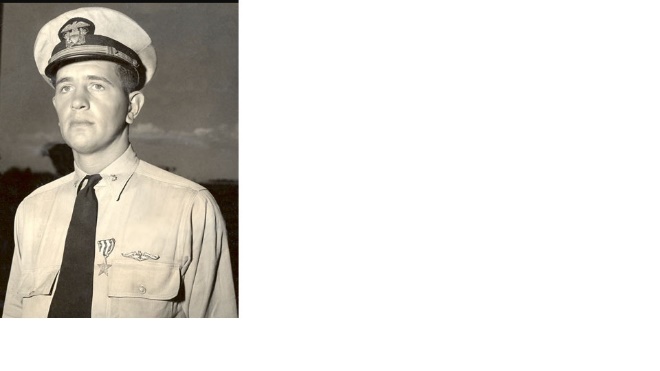
LCDR Hugh Rimmer